What Craft Beer Actually Means – and What It Doesn't
There's a version of this conversation that starts with a 47-page legal definition from the Brewers Association, and that version is extremely boring. Here's the short one: craft beer is generally made by smaller, independent breweries that prioritize flavor variety and experimentation over producing the same reliable pint for every bar in the country.
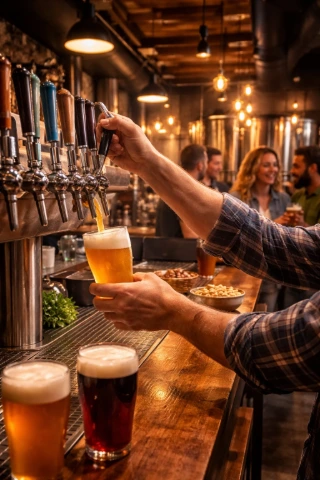
That's really the heart of it. A craft brewery in Portland might make twelve different beers across wildly different styles because they want to, and because their customers are into that. A macro brewery like Anheuser-Busch produces at a scale that makes experimentation genuinely risky – consistency is the product.
Neither of those is a character flaw.
Mass-market lagers like Budweiser or Coors Light exist because millions of people enjoy them, and those people aren't wrong. They're light, cold, and easy to drink at a barbecue. Craft beer fans sometimes forget this when they're busy being smug about their barrel-aged saison.
What craft does offer, in practical terms, is more options. More local identity – a brewery in Vermont using local maple, or a Texas operation leaning into pecans. More willingness to try unusual ingredients or aging techniques. More personality in the glass, for better or worse.
But craft does not automatically mean stronger. It doesn't mean weirder, pricier, or objectively better. Some craft beers are genuinely bad. Some mass-market beers are genuinely great for what they are. The label "craft" is a signal about scale and intent, not a quality guarantee.
Enjoying a cold Modelo on a Friday doesn't disqualify you from also loving a hazy IPA from a tiny local taproom. These things coexist. The only real rule here is that you don't have to perform enthusiasm for beers you don't actually like just because someone told you they're impressive. Drink what tastes good to you.
The Main Beer Styles, Explained Like a Normal Person
You don't need a Cicerone certification to figure out what you like. A basic feel for the main styles is enough to stop staring blankly at a tap list and actually order something good.
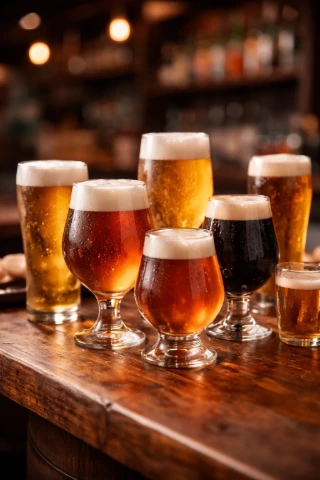
Lagers: The Easy Starting Point
Most people grew up drinking lagers without knowing that's what they were. Budweiser, Heineken, Modelo – all lagers. They ferment cold and slow, which gives them that clean, crisp finish with very little going on in the aftertaste. That's not an insult. Sometimes clean and refreshing is exactly right, and craft lagers like Firestone Walker's Pivo Pils show the style can have real character without turning into a whole event.
Ales: The Broad Middle Ground
Ales are fermented warmer and faster, which tends to produce more complex flavors – fruit, spice, earthiness. Pale ales sit right in the approachable middle: a little hoppy, a little malty, easy to drink. English bitters, Belgian wits, ambers – these are all ales. The category is huge, so "I like ales" doesn't narrow things down much. Think of it less as a style and more as a family.
IPAs: The Hopheads' Obsession
India Pale Ales are bitter, aromatic, and currently everywhere. West Coast IPAs lean piney and resinous. New England IPAs are hazy, juicy, and smell like a fruit stand. If your first IPA tasted like chewing on a pinecone, someone handed you the wrong one. Start with something like Allagash White or a session IPA before going full Pliny the Elder.
Stouts: Dark Doesn't Mean Heavy
People assume stouts will be thick and boozy. Guinness is a stout and it's lighter in calories than orange juice. The dark color comes from roasted malts, which bring coffee and chocolate notes. Imperial stouts are a different story – richer, stronger, more of a dessert.
Sours: The Weird and Wonderful Ones
Tart, funky, sometimes fruity – sours are genuinely polarizing. A Berliner Weisse is light and lemony. A Flanders red can taste almost like balsamic vinegar. There's no shame in not loving them. But if you enjoy kombucha or a good gin sour cocktail, there's probably a sour beer out there that clicks.
How to Tell What You Like Without Becoming That Beer Person
Your everyday food preferences are already a surprisingly reliable map to the beers you'll enjoy. No tasting notes required.
Start with What You Already Know You Like
Think about your morning coffee order. Black coffee drinkers tend to handle bitterness well, which means a West Coast IPA or a dry stout might click immediately. If you load your cup with oat milk and two sugars, a hazy New England IPA or a milk stout is probably a better starting point. Love sparkling water over still? You might gravitate toward the bright, effervescent quality of a wheat beer or a Kölsch. These aren't hard rules, but they're genuinely useful shortcuts.
Citrus lovers often land happily in the world of pale ales and session IPAs, where grapefruit and lemon zest flavors show up naturally from the hops. Chocolate fans tend to enjoy porters and stouts without any convincing needed. If sourdough bread or tangy yogurt is your thing, sours might be your people.
Practical Ways to Actually Figure It Out
Ordering a flight at a decent craft bar is probably the single most efficient move you can make. Four or five small pours let you compare styles side by side without committing to a full pint of something you end up tolerating rather than enjoying. Pay attention to which glass you keep reaching back for. That's your answer.
When you find something you like, note the flavor rather than the brand name. "I liked that one because it tasted like orange peel and wasn't too bitter" gets you much further than "I liked that one from the brewery in Vermont." The flavor description travels; the brand loyalty doesn't.
There's no denying some social pressure exists to love whatever the most extreme, barrel-aged, triple-dry-hopped thing on the menu is. Ignore it. The beer that makes you happy after a long Tuesday is the right beer. Nobody's handing out points for suffering through something you don't enjoy.
A Simple No-Stress Guide to Ordering, Tasting, and Talking About Beer
Nobody walks into a brewery expecting to be quizzed. But somehow, staring at a tap list with eighteen options can make you feel like you should have studied.
Just Tell Them What You're in the Mood For
Bartenders and brewery staff genuinely want to help you find something you'll enjoy. You don't need the vocabulary of a Cicerone. Try something like "I usually like crisp, easy-drinking beers" or "I want something fruity but not too sweet." That's enough. They'll take it from there. If you hate bitter things, say that. If you loved the last hazy IPA you had but can't remember what it was called, describe it. "Kind of juicy, not super bitter, smelled like mango" is a perfectly useful tasting note.
Talking About Beer Without Sounding Ridiculous
There's no official language for describing what's in your glass. "Kind of toasty" is a legitimate observation. "Surprisingly good" is a complete sentence. Real beer people – the ones worth talking to – will meet you where you are. Tasting notes exist to help you communicate, not to perform expertise. If a stout tastes like coffee and chocolate to you, say that. If a sour tastes like someone squeezed a lemon into your beer, say that too.
Three Myths That Make Beer Feel Harder Than It Is
Dark beer is not always heavy. A dry Irish stout like Guinness is lighter in body than many pale ales. Color tells you almost nothing about alcohol or weight. IPAs are not the only interesting craft option either – sours, farmhouse ales, and dark lagers are all worth exploring if hops aren't your thing. And there's absolutely no prize for pretending to enjoy a beer you don't. Ordering a lager at a craft brewery is not a moral failure. Drink what you actually like. That's the whole point.
How to Choose a Craft Beer When the Menu Gives You Too Many Options
A long tap list can make choosing a beer feel more complicated than it needs to be. Instead of trying to understand every brewery, hop variety, and tasting note, it helps to narrow things down using a few basic questions about flavor, strength, and what kind of drink you actually want at that moment.
You do not need to identify the "best" beer on the board. You only need to find one that fits your mood, and a few simple clues usually get you there.
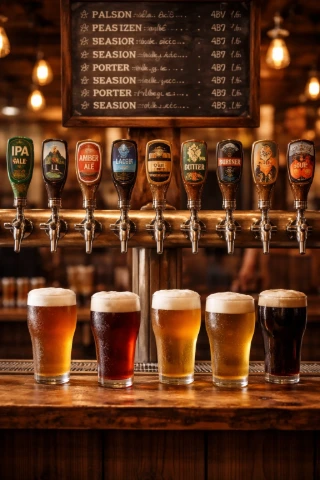
- If you want something light and refreshing: Look for pilsners, Kölsch, blonde ales, wheat beers, or lower-strength pale ales. These are generally crisp, approachable, and easy to drink without overwhelming bitterness or sweetness. They are also useful starting points if you usually drink mainstream lagers and want to try something slightly different.
- If you like citrus, tropical fruit, or stronger aromas: Pale ales, session IPAs, and hazy IPAs are worth checking. Words like grapefruit, mango, passion fruit, orange, or peach usually suggest a hop-forward beer with noticeable aroma. Just remember that "fruity" does not necessarily mean sweet. Many IPAs smell intensely fruity while finishing dry.
- If you prefer coffee, chocolate, or toasted flavors: Porters, stouts, brown ales, and some dark lagers are likely to make more sense. These styles often use roasted or darker malts that create familiar flavors without needing added coffee or chocolate. Check the alcohol percentage, though, because a light dry stout and a strong imperial stout can be very different experiences.
- If you enjoy tart or sour flavors: Berliner Weisse, gose, fruit sours, and other sour ales may be a good direction. These can range from lightly lemony to aggressively acidic, so asking how sour a beer actually is can save you from an unpleasant surprise.
- If you're not sure at all: Ask for a small taste where the bar allows it, order a flight, or tell the bartender one beer you already enjoy. Even saying "something not too bitter and around five percent" gives them enough information to make a sensible recommendation.
Alcohol by volume, or ABV, is another useful shortcut. A beer around 4% to 5% usually works well when you want something easygoing, while beers above 7% tend to feel richer, warmer, or more intense. That difference matters more than many beginners realize, especially when ordering a full pint.
The main thing is to stop treating the menu like a test. You are allowed to choose by flavor, strength, curiosity, or even because the description sounds good. The more different styles you try, the easier those tap lists become to read.
Good Beer Is the Beer You Enjoy
Drop the pressure, and this whole craft beer thing gets a lot more enjoyable pretty fast. You now know enough to tell a lager from an ale, to understand why an IPA tastes like a pine forest and a stout tastes like your morning coffee ran away to a pub, and to see that craft beer's real difference from mass-market isn't snobbery – it's intention. Small batches, real ingredients, brewers who actually care what ends up in your glass. That's it. Your palate is the only credential you need here. Try a sour, try a Hefeweizen, try whatever the person behind the bar recommends on a Tuesday. Some you'll love, some you'll politely set aside. Both outcomes are completely fine. Beer is supposed to be fun, and there's no quiz at the end.